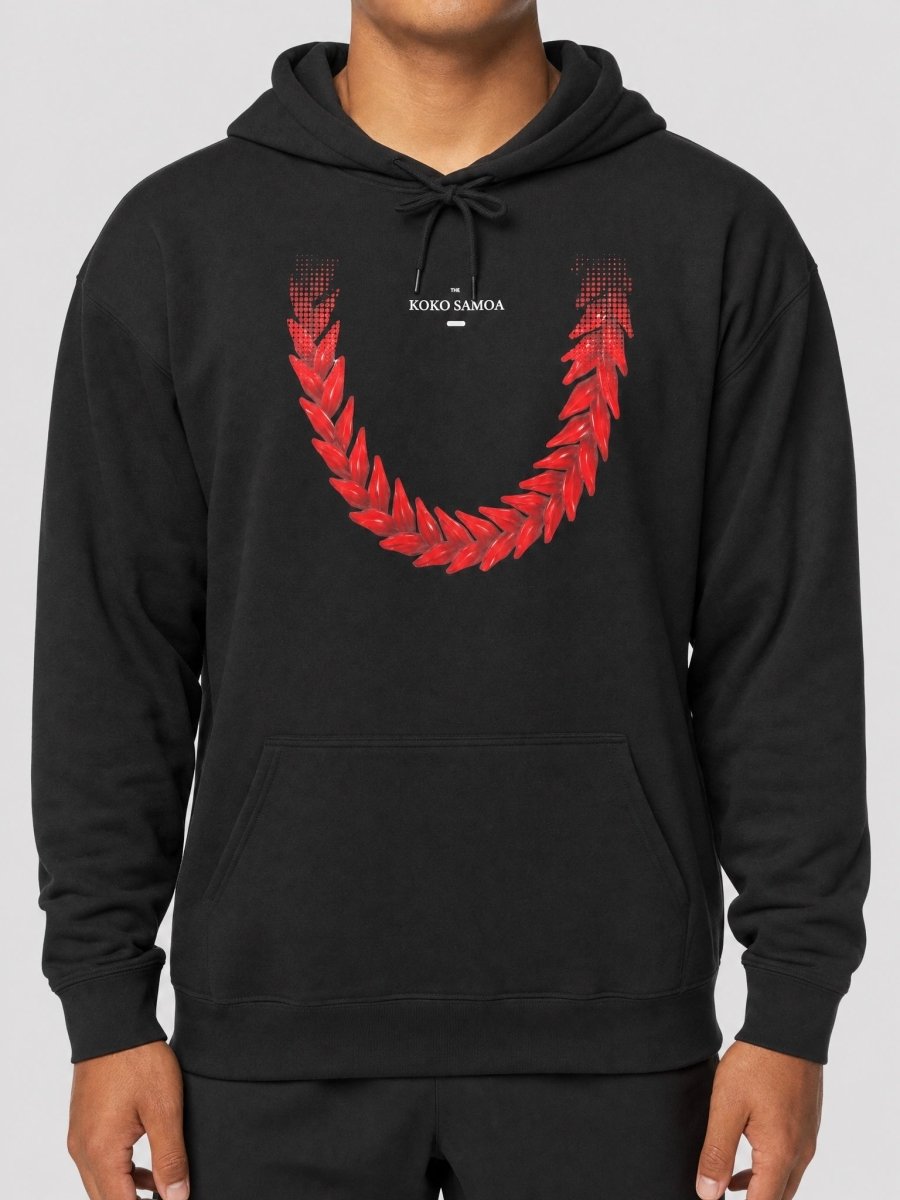
Warmth is fabric weight and trapped air, in that order. A 8oz brushed fleece hoodie holds heat because the brushing raises a layer of air against your skin, and a thin fashion hoodie does not because there is nothing to trap. If you are buying one warm thing for a Pacific winter in Auckland, Melbourne or Salt Lake City, buy for weight and for how it layers, and ignore almost everything else on the label.
In this article
- What makes something warm
- How to layer
- Hoodie or sweatshirt
- Sizing up
- Looking after fleece
- Frequently asked questions
What actually makes a hoodie warm?
Three things, and only three.
- Weight. Measured in ounces per square yard. 8oz is a proper winter weight. Anything under 6oz is a spring layer wearing a winter name
- Brushed interior. The fuzzy inside is not a comfort feature, it is the insulation. Brushing raises fibres that trap a layer of warm air
- Closed cuffs and hem. Ribbing at the wrist and waist stops the warm air escaping. An open hem undoes the other two
Everything else, the double lined hood, the pouch pocket, the cotton to polyester ratio, is comfort and durability rather than warmth. A 50/50 cotton poly blend at 8oz holds shape better than 100% cotton and dries faster, which matters more in a wet winter than in a dry one.
How should you layer for a cold morning?
Three layers, and the mistake is almost always in the first one.
| Layer | Job | Get it wrong and |
|---|---|---|
| Base | Move sweat off the skin | Cotton next to the skin holds sweat and makes you colder than wearing nothing |
| Mid | Trap air. This is the hoodie or the sweatshirt | Too thin and there is nothing to trap |
| Outer | Block wind and rain | A puffer with no shell soaks through and stops insulating |
The single most common error is a cotton tee as a base layer on a day you will be moving. It feels right in the house and it is wrong by the second bus stop.

Two warm pieces in Pacific prints, sold together for less than buying them apart. Jackets in one lane, hoodies in the other.
See the Winter Edit →Hoodie or crewneck sweatshirt, which is warmer?
At the same fabric weight a hoodie is warmer, for the obvious reason that it covers your head and neck. A double lined hood adds a genuine amount of retained heat because the head loses a meaningful share of it.
The crewneck wins on two counts that are not warmth: it sits better under a jacket, because there is no hood bunching at the collar, and it looks less casual. The right answer for most people is one of each, which is why the two piece sets pair them.

Should you size up for winter?
One size, if you intend to layer under it. A hoodie bought true to size over a tee has no room for a mid layer, and a compressed layer stops trapping air, which is the whole mechanism.
For Pacific bodies specifically, sizing up is usually right regardless. Most fleece is cut to a standard chart with narrow shoulders, and the shoulders are where a too small hoodie fails first. The larger sizes run to 5XL on the hoodies for exactly this reason.
How do you stop a hoodie going baggy and bobbly?
Three rules, and two of them are about the wash rather than the wear.
- Wash cold and inside out. Hot water is what relaxes the fibres at the cuffs and hem, and inside out protects the print from abrasion against the drum
- Do not tumble dry on high. Heat is what kills the elastic in the ribbing. Line dry or tumble low
- Wash it less. Fleece does not need washing every wear. Air it overnight instead and wash it when it needs it, which is the single biggest factor in how long it lasts
Bobbling, properly called pilling, is loose fibres tangling on the surface. It happens most with all cotton and with cheap short fibre fleece, and least with a cotton polyester blend. If it does happen, a fabric shaver fixes it in five minutes and does not damage the garment.
The print itself needs nothing special beyond washing inside out and not ironing directly on it. A direct hot iron on a print is the one mistake that cannot be undone.
Nothing here is sitting in a warehouse. Each piece is printed and sewn after the order is placed, which has two consequences worth planning around. The good one is that there is no dead stock, so a print does not get discounted into landfill at the end of a season and sizes that sell slowly still exist. The inconvenient one is the production window: there are several days between you paying and anything being handed to a courier.
The practical rule is three weeks from order to door for Australia and New Zealand, and closer to four if it is crossing an ocean. Work backwards from the date you need it, not forwards from today. There is more on why the model works this way in why made to order is the future of sustainable fashion.
Frequently asked questions
What fabric weight is warm enough for winter?
Around 8oz per square yard with a brushed interior. Anything under 6oz is a spring weight regardless of what it is called.
Is a hoodie warmer than a crewneck sweatshirt?
At the same fabric weight, yes, because it covers the head and neck. A crewneck sits better under a jacket, so most people are best served owning one of each.
How should I layer for a cold morning?
A base layer that moves sweat off the skin, a mid layer that traps air such as a heavy hoodie, and an outer layer that blocks wind and rain. Avoid cotton as a base layer.
Should I size up in a hoodie?
Yes if you plan to layer under it. A hoodie bought true to size over a t-shirt leaves no room for a mid layer, and compressed fabric stops trapping warm air.
For the cold months
Hoodies, jackets, blankets and a heat reactive mug, in prints that read from across a car park.
Shop the Winter Edit →Made to order. Allow three weeks.
Read next: Why Made to Order Is the Future of Sustainable Fashion · The Complete Guide to Samoan Fashion


