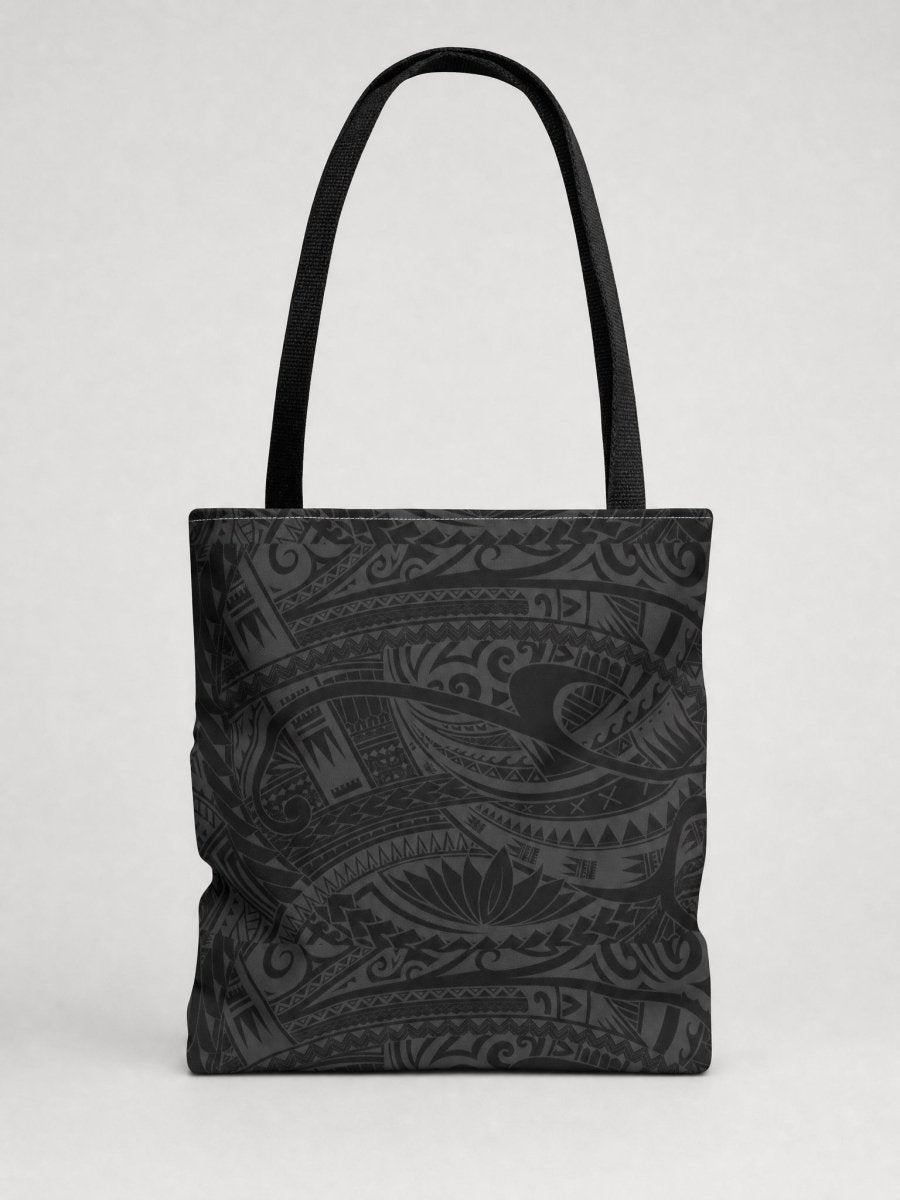
New does not mean better, so the useful question for a new range is always the same: what is this print, and does it do something the last one did not? The pieces that have just landed split into two groups. There are new prints, which are new designs on familiar products, and there are new products, which are familiar prints on things that did not exist in the range before. The second group is usually the more interesting one.
In this article
- What is new
- New print or new product
- What the prints mean
- Buy now or wait
- Spotting the real thing
- Frequently asked questions
What has just landed?
Three things are worth knowing about the current run.
- White Sunday, a soft grey elei on white, built for Lotu Tamaiti in October and wearable well past it
- Warrior extended across more products, including totes, aprons, footwear and swimwear rather than just apparel
- Hardcover journals, an entirely new category, in five prints
The journals are the genuinely new thing. Everything else on this shelf is a print moving onto more products, which is how a range deepens rather than how it grows.
Should you buy a new print or a familiar print on a new product?
Depends on why you are buying. A new print is a statement and it carries risk: you do not yet know whether you will still like it in a year. A familiar print on a new product is a safe bet, because the design has already proven it works.
| New print | Known print, new product | |
|---|---|---|
| Risk | Higher. Unproven design | Low. You already know the pattern |
| Best for | People who already own the staples | First purchase, or a gift |
| Example here | White Sunday on dresses and ties | Warrior on totes, aprons and footwear |
| Resale of attention | High. People ask about it | Moderate. People recognise it |

Two of the new pieces together, priced under the two bought separately. The fastest way into a range that has just launched.
See what just landed →What do the new prints actually mean?
Worth being precise, because a lot of Pacific design online is sold with invented meanings attached.
Elei is Samoan printed cloth, the pattern made by rubbing dye over a carved board. It is the everyday pattern of Samoan dress rather than a ceremonial one, which is why it works on a necktie and a tote.
White Sunday takes that same elei geometry and drops it to a soft grey on white, so it meets a white dress code while still carrying a pattern.
Warrior is a dark linework design. It is a decorative Pacific pattern, and it is deliberately not described as a tatau, because the tatau is earned through ceremony and a printed pattern is not that. The full distinction is in the piece on tatau, pe’a and malu.

Should you buy a new range immediately or wait?
Buy immediately if it is tied to a date, because a made to order piece needs three weeks and a date does not move. White Sunday is the obvious case: it is for 11 October and there is no later.
Wait if it is a new print with no deadline attached. Sit with it for a few weeks and see whether you still want it. The prints that last are the ones you are still thinking about in a month, not the ones you liked on the day.
How do you tell authentic Pacific design from a mass produced copy?
Pacific patterns are printed in enormous volume by sellers with no connection to the Pacific, and the copies are easy to spot once you know what to look for.
| Signal | Real | Copy |
|---|---|---|
| Who owns it | Named Pacific owner, findable | No named people anywhere on the site |
| Pattern naming | Named correctly: elei, siapo, masi | One generic catch all word for every Pacific culture |
| Meaning claims | Careful, or says the meaning varies | A confident symbol dictionary, usually invented |
| Print quality | Pattern aligns across seams on all over prints | Pattern cut off mid motif |
| Range | Deep in a few prints | Every Pacific culture at once, plus Aztec |
The naming is the fastest tell. A Pacific designer names the specific tradition, because elei and siapo and masi are different things made by different people in different places. A seller with no connection to the Pacific flattens all of them into one word and sells the same file on every garment.
The second tell is a website confidently assigning a fixed meaning to every motif. Real meanings vary by island, by village and by family, and anybody who tells you a triangle universally means a shark tooth is selling you a story.
Nothing here is sitting in a warehouse. Each piece is printed and sewn after the order is placed, which has two consequences worth planning around. The good one is that there is no dead stock, so a print does not get discounted into landfill at the end of a season and sizes that sell slowly still exist. The inconvenient one is the production window: there are several days between you paying and anything being handed to a courier.
The practical rule is three weeks from order to door for Australia and New Zealand, and closer to four if it is crossing an ocean. Work backwards from the date you need it, not forwards from today. There is more on why the model works this way in why made to order is the future of sustainable fashion.
Frequently asked questions
What are the newest Samoan prints?
The current run includes White Sunday, a soft grey elei on white made for Lotu Tamaiti, and the Warrior linework design extended across totes, aprons, footwear and swimwear.
What does elei mean?
Elei is Samoan printed cloth and the pattern that comes from it, traditionally made by rubbing dye over a carved board. It is everyday Samoan patterning rather than ceremonial.
Is the Warrior print a tatau?
No. It is a decorative Pacific linework design. The tatau is earned through ceremony and is not the same thing as a printed pattern.
Should I buy a new print straight away?
Buy immediately if it is tied to a date, because made to order pieces need around three weeks. Otherwise wait a few weeks and see whether you still want it.
What just landed
New prints, new products, and the sets that are the cheapest way into both.
Shop new arrivals →Made to order. Allow three weeks.
Read next: Samoan Patterns and What They Mean · Samoan Design Patterns


